
What Happens During a Workers' Compensation Insurance Audit?
- Crosswinds Insurance

- Apr 28
- 3 min read
Many business owners are surprised when they receive a notice that their workers’ compensation insurance policy is being audited. The word “audit” can sound intimidating, but in reality it is a standard part of how workers’ compensation insurance works.
Understanding how audits work can help business owners avoid unexpected premium adjustments and ensure their records are organized when the audit occurs.
Why Workers’ Compensation Audits Exist
Workers’ compensation premiums are usually based on estimated payroll at the beginning of the policy period.
Since payroll can change throughout the year, insurance companies conduct audits to determine the actual payroll exposure during the policy term.
The audit helps the insurance company calculate whether the business:
• Underestimated payroll
• Overestimated payroll
• Properly classified employees
• Used subcontractors appropriately
This process ensures the premium charged reflects the true level of risk during the policy period.
When the Audit Happens
Workers’ compensation audits typically occur after the policy expires.
Many businesses receive an audit notice within 30 to 90 days after the policy period ends.
Audits may be conducted:
• Over the phone
• Online through a secure portal
• In person at the business location
The complexity of the audit often depends on the size and type of the business.
Documents Insurance Auditors Usually Request
To verify payroll exposure, auditors typically review several financial records.
Common documents include:
• Payroll reports
• Quarterly tax filings (941s)
• State unemployment reports
• General ledger reports
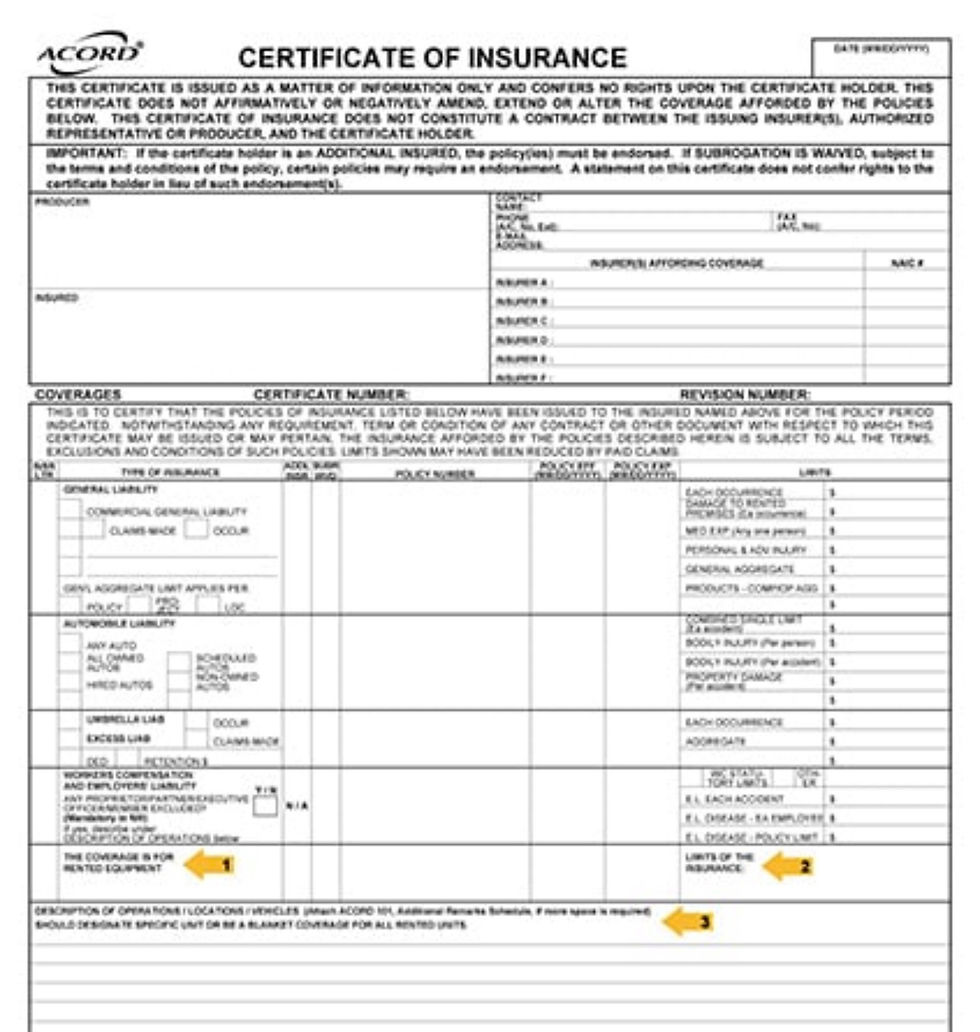
• Certificates of Insurance for subcontractors
• Cash disbursement journals
These records help the auditor determine which payments should be included in workers’ compensation payroll calculations.
Subcontractors Are One of the Most Common Audit Issues
One of the biggest surprises during audits involves payments to subcontractors.
If a subcontractor does not provide proof of their own workers’ compensation insurance, the auditor may treat their payments as payroll for your business.
This means the insurance company could charge additional premium based on the amount paid to uninsured subcontractors.
For industries like construction, landscaping, and contracting, this can significantly increase the final premium.
What Happens After the Audit
Once the audit is complete, the insurance company compares the estimated payroll used to calculate the original premium with the actual payroll verified during the audit.
There are three possible outcomes:
Additional Premium Due
If actual payroll was higher than estimated, the business may owe additional premium.
Return Premium
If payroll was lower than estimated, the business may receive a refund or credit.
No Change
If estimates were accurate, the premium may remain unchanged.
How Businesses Can Prepare for Audits
Preparation can make the audit process much smoother.
Best practices include:
• Keeping organized payroll records
• Maintaining Certificates of Insurance for subcontractors
• Tracking employee job classifications accurately
• Working with your insurance advisor before the audit occurs
Being proactive can prevent surprises and help ensure the audit reflects your business operations accurately.
Final Thoughts
Workers’ compensation audits are a routine part of insurance policies, but they can result in significant premium adjustments if records are incomplete or subcontractors are not properly documented.
Businesses that maintain organized records and verify subcontractor insurance coverage are typically in the best position when audit time arrives.
About the Author
Renado Robinson is the President, CEO & Founder of Crosswinds Insurance Agency, an independent insurance brokerage based in Fort Mill, South Carolina. With more than two decades of experience in the insurance industry, Renado began his career with St. Paul Insurance and later Travelers, where he worked his way from mail clerk to underwriter. Today, his agency helps individuals, families, and businesses understand risk and make informed insurance decisions.
Crosswinds Insurance Agency provides personal insurance, commercial insurance, life insurance, and specialty coverages for clients across the Carolinas and beyond.

Comments